Why ‘explainers’ matter
April 8, 2014 § Leave a comment
Last week, the Intergovernmental Panel on Climate Change (IPCC) released Part 2 of its report on global climate change (Part 1 came out in September 2013). The technical summary alone is 76 pages long—fortunately, it’s launched plenty of helpful explainer articles. I recently came across one bit of coverage, in response to Part 1’s release, that piqued my interest.
Greg Johnson summarized the report in a series of 19 illustrated haiku. I’m entranced by these little images, not just for their humbling messages (Forty years from now/children will live in a world/shaped by our choices.), but also for their communicative power.
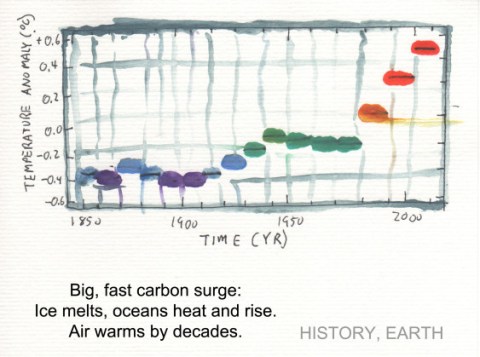
Today, information no longer belongs to the privileged few. Instead, we have the opposite problem: there’s more information out there than we can reasonably consume. We need the ‘explainers,’ people who can sort through the hard data and interpret crucial information for the rest of us.
Whether explaining how to adapt to a warming planet, apply for health coverage, or understand privacy online, this work of translation is more important than ever. Johnson’s haiku excel at this, but they’re just one example (think infographics, ‘listicles,’ or anything else that makes text easier to digest).
While these new ways of presenting information have been much maligned, Johnson’s work reminds me they can also be an incredibly effective way to communicate.
There’s no use calling it ‘wrong’ when there’s this much at stake.
You’re probably using Google wrong
August 5, 2013 § Leave a comment
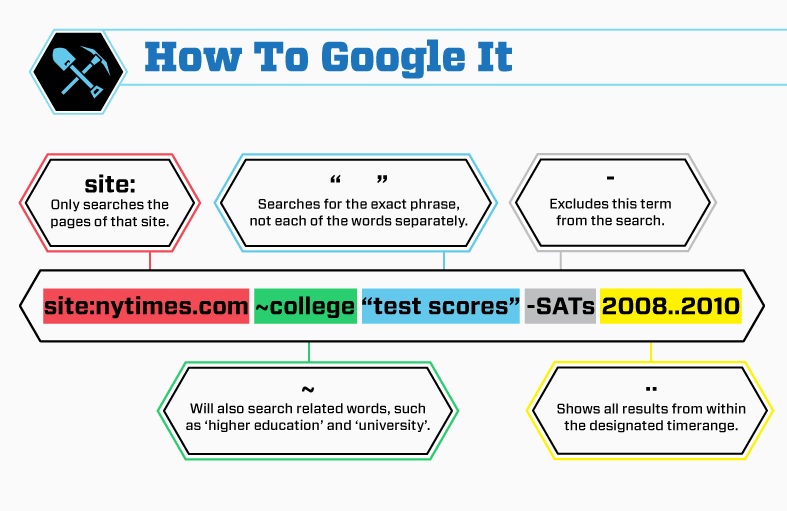
I so wish I’d known these tricks when I was writing my college thesis—but I’m happy to learn them now.
Who knew you could ask Google to search only on a certain site? Or only search for specific types of files? Not this girl. Just in time for back-to-school, here’s an awesome infographic by HackCollege on how to “Get More out of Google.”
19 Emotions For Which English Has No Words
May 15, 2013 § Leave a comment
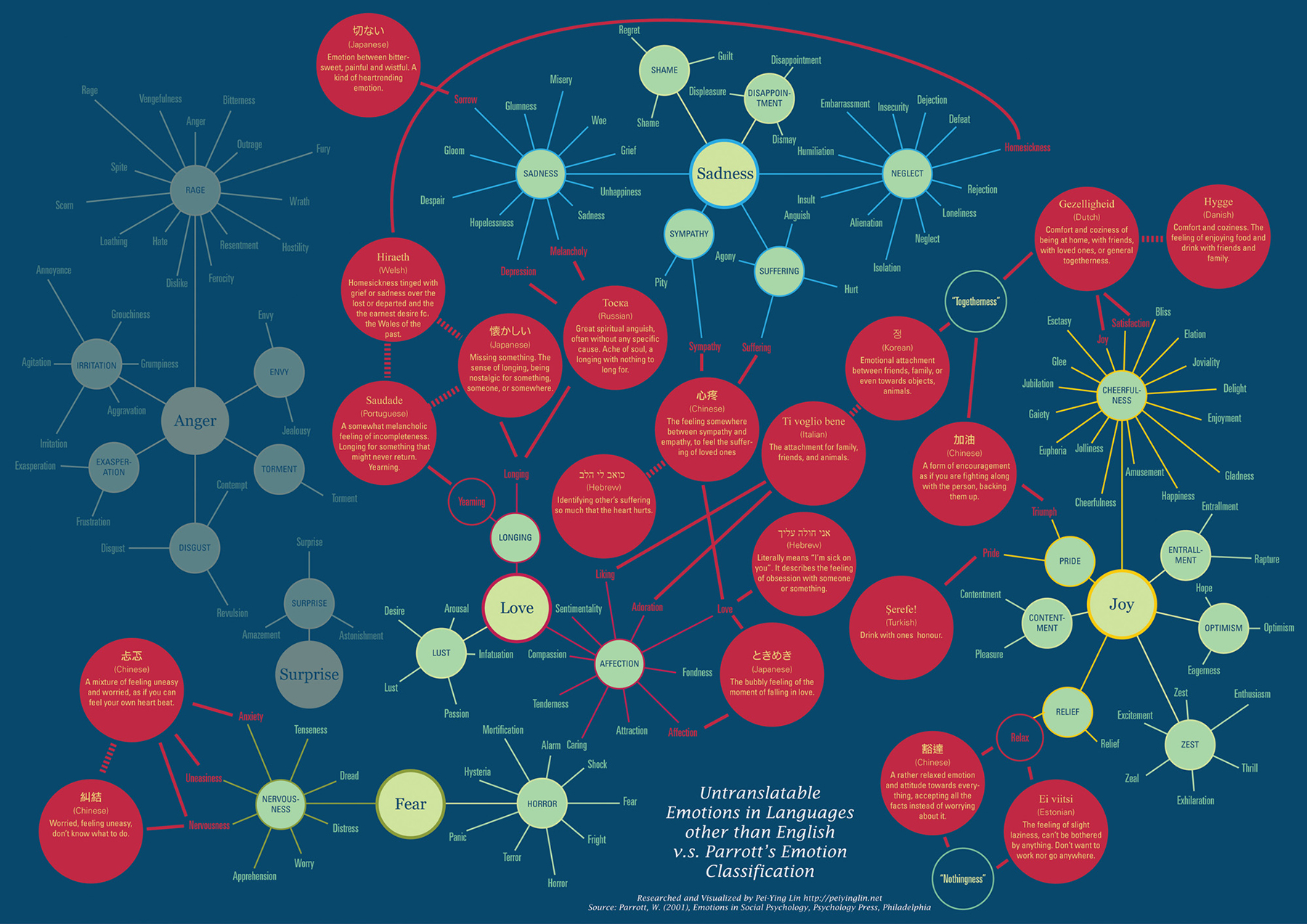
I’ve long been interested in the limitations of language—and the loopholes offered by learning the words of another. Awesome infographic by Pei-Ying Lin via FastCompany (click to make it big).
Also, file under “why hadn’t this been invented yet”: The Emotionary. It’s a list of emotions for which English (until now) has no words. See vindexance (“the immediate desire to redeem oneself upon realizing what you should have said or done moments after it is too late”) and epiphannaise (“the moment one realizes aioli and mayonnaise are exactly the same thing”).
Users can submit new words for once-inexplicable feelings. Personally, I’m looking forward to the “words most felt” page (coming soon!).
NYT’s “Snowfall” Brings an Avalanche of Creative Projects
March 14, 2013 § Leave a comment
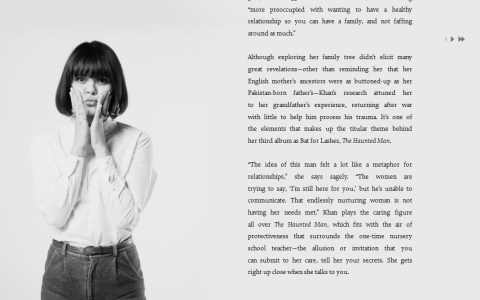
Finally, a digital media trend I can really get excited about. Last year, you probably saw The New York Times’ “Snowfall”—an interactive-multimedia-feature-story-presentation…thing. I’m not sure what projects like these are even called yet, but they’re seriously cool. (If you haven’t seen “Snowfall” yet, check it out here.)
Basically, these creations tell a story—with words, yes, but also animation, photography, video clips, infographics—and everything in between. Simply scroll, and watch a tale unfold. Images and quotes float alongside body text, while embedded videos spring to life when triggered by a click.
What I like about this format is that it celebrates longform writing. It’s visual, but not overwhelmingly so; color and movement fix your gaze, but it’s the story that keeps you scrolling. To me, these projects do exactly what great writing is supposed to do: make the reader forget the world and lose himself, if only for a few minutes, in your words.
It’s a format I hope we’ll be seeing more of soon—and I don’t think I’ll be waiting long. A few weeks back, Mediabistro’s 10,000 Words blog posted a collection of “10 ‘Snowfall’-Like Projects that Break out of Standard Article Templates.” I especially liked ESPN’s “The Long, Strange Trip of Dock Ellis” and Pitchfork’s “Glitter in the Dark” (screenshot above).
Projects like these have so much potential—for ad campaigns, product launches, fundraisers, and more. I can’t wait to see where they take us next. Until then, scroll away.
 MARY GABLE