J.K. Rowling wrote a new book. Forensic linguists found it.
July 18, 2013 § Leave a comment
 When I first heard the term “forensic linguistics,” I imagined crime-drama sleuths poring over the jumbled letters of a ransom note.
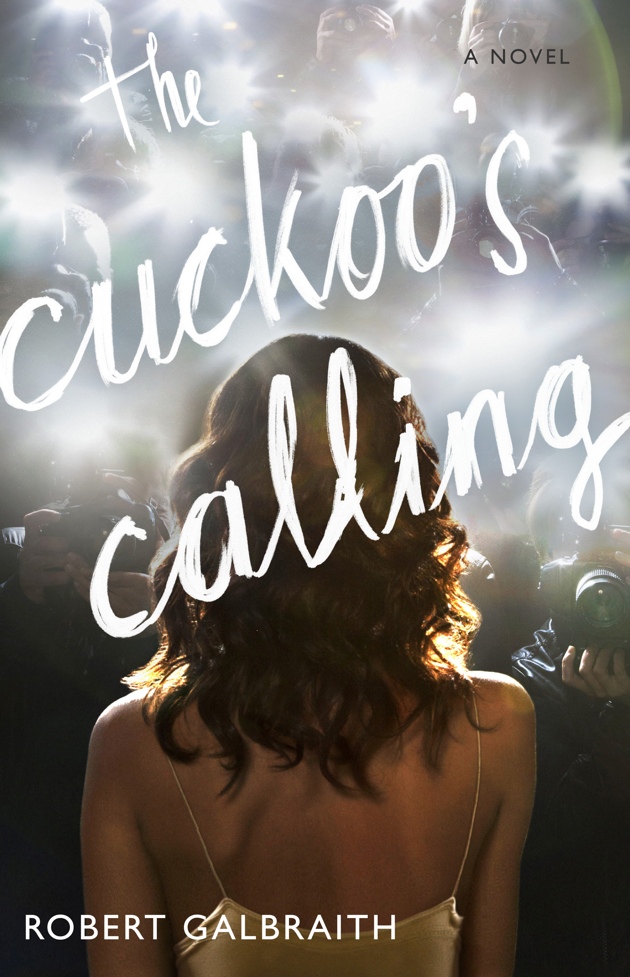
Sometimes, that’s part of their job description. But forensic linguists (also known as ‘stylometrists’) deal with less creepy stuff too, like digging up plagiarism, solving intellectual property disputes, or, this week, outing writer J.K. Rowling as the true author of The Cuckoo’s Calling, a novel written under the pen name Robert Galbraith.
This is huge news for Potter fans. (No surprise that once “Galbraith’s” identity was revealed, the book shot to the top of bestseller lists.) And for Rowling, this is either the end of an attempt to get some unbiased criticism—or a genius PR stunt.
Solving the mystery
But what’s really amazing is how researchers figured it out. After a U.K. Sunday Times writer got an anonymous tip on Twitter, he asked Patrick Juola, a computer science professor at Duquesne and specialist in the subject, to help crack the code.
Juola used a computer program he helped develop to sniff out the most commonly used words in Cuckoo (incidentally, it’s a detective novel). He then compared these to other works of Rowling’s—and to books published by other authors in the same genre.
Similar word-use proportions between two texts suggest—but obviously don’t prove—a single creator. Juola found that the style of The Cuckoo’s Calling was more similar to Rowling’s latest work, The Casual Vacancy, than non-Rowling novels he analyzed.
Turns out, authors wanting to remain nameless can’t just hide by swapping a few words and turns of phrase. What’s most revealing are writers’ uses of things like articles and prepositional phrases. We don’t think to change them because we use them pretty much without thinking.
New dream job?
As a writer who works for many different types of clients, this gives me pause. I like to think I can easily transform my voice and style based on a client’s needs. I’d also like to think that language, especially literature, is somehow immune to such cold analysis.
But I’m also pretty fascinated to see this way language and science can intersect. And I’m interested to see more applications of forensic linguistics in the future. The fact that a text can be reduced to features like word counts and “character 4-grams” doesn’t mean it’s flawed. After all, stylometrists just used it to expose the most accomplished writer in the world.
Read Juola’s explanation of the research and his results on Language Log this week.
 MARY GABLE
What do you think?